
Examples of Specialized Junk Removal Services for Event Venues and Stadiums

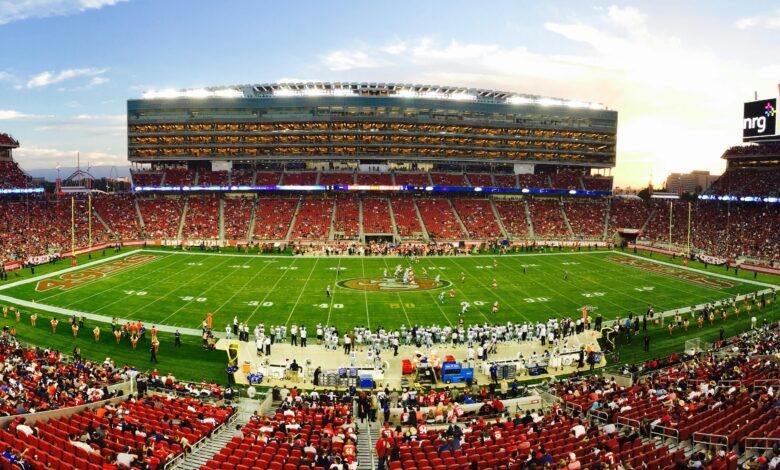
Junk removal services for event venues and stadiums must go beyond standard pickup—they require flexible, scalable operations capable of handling massive influxes of post-event waste, strict timing, and diversified waste types. These facilities generate a mix of materials: concession debris, promotional displays, temporary signage, bulky décor, and sometimes hazardous or universal wastes like batteries or lamps used during special events.
Junk removal services tailored to these environments typically offer:
- Rapid same-day or overnight cleanups, coordinating with venue schedules.
- Tiered container options (roll‑off bins, flatbeds, compactors) sized to seasonal or one‑off events.
- On-site sorting and recycling staff, who separate recyclables, compostables, donations, and landfill trash.
- Hazardous and universal waste handling, including e‑waste, batteries, lighting, or electronics from displays.
- Special event logistic planning, including staging zones, route planning, access coordination with security protocols.
Specialized Service Examples
1. Modular Roll‑Off Deployment
At medium‑capacity stadiums, companies stage modular roll‑off bins in high‑traffic zones for fans to deposit recyclables, food containers, and general trash. After events, crews rapidly collect and replace bins to avoid overflow before post‑game operations begin.
2. Post‑Event Bulk and Promotional Cleanup
Large venues hosting trade shows or festivals often require removal of booths, staging elements, decorations, and demo units. Specialists provide flatbed pickup, forklift services for heavy displays, and sorting crews to divert reusable and donation‑worthy materials.
3. Concession Waste Diversion Zones
During sporting or concert events, concession areas can be equipped with recycling and compost stations. After the event closes, teams remove accumulated organic waste and recyclables separately, reducing landfill impact and improving venue sustainability metrics.
4. E‑Waste and Battery Collection at Ticketing or Show Programs
Events that distribute digital ticket kiosks or use battery‑powered lighting may generate universal waste. Some providers set up designated collection points, then transport those materials under RCRA universal waste standards for proper recycling or disposal.
5. Hazardous Spill Response and Contaminated Media Removal
Venues may face cleanup requirements for occasional spills of paints, solvents, or cleanup fluids used in stagecraft or maintenance. Specialized teams follow EPA remediation waste rules, often working under Corrective Action Management Units and contained‑in standards where contaminated media require different handling.
Regulatory Update Impacting Event‑Venue Junk Removal in 2025
In 2025, the EPA rolled out critical changes affecting hazardous and universal waste handling by generators, transporters, and disposal facilities. Most notably, the Third Rule of the e‑Manifest system mandates that Large and Small Quantity Generators register for digital tracking, discontinue mailing manifests, and fully transition to the new four‑copy 8700‑22 form by January 22, 2025, with cessation of the old five‑copy form by December 1, 2025. This affects any event cleanup generating hazardous or universal waste—even temporary staging generating light‑bulb waste, batteries, or contaminated materials.
For businesses servicing stadiums and venues, this means:
- Registering as a waste generator if they handle battery‑spray or lamp waste.
- Training staff on electronic manifest retrieval and retention requirements.
- Aligning operations with digital tracking workflows to avoid fines and delays.
Visit EPA’s page on 2025 e‑Manifest requirements and the Third Final Rule for detailed information on these changes: linked above.
Why These Services Matter to Junk Removal Businesses
Event venues and stadiums represent high‑volume, cyclical, and high‑visibility contracts. Offering specialized services enhances credibility and profitability due to:
- Peak volume coordination—handling thousands of bins and tons of waste within tight windows.
- Regulatory compliance differentiation—proper hazardous/universal waste handling becomes a selling point.
- Sustainability positioning—venues increasingly seek zero‑waste or diversion targets, and skilled providers help them meet those.
- Repeat business potential—sports seasons, recurring concerts, festivals, and conventions create sustained demand.
Key Takeaways
- Event venues and stadiums require tailored cleanup services—ranging from roll‑offs and bulk removals to e‑waste and hazardous waste handling.
- Compliance with EPA’s 2025 e‑Manifest rule is mandatory for digitizing hazardous waste tracking—impacting generators serving these clients.
- Businesses that align operations with regulatory changes and offer sustainable diversion strategies will stand out in a competitive market with high-volume, recurring contracts.


