Natural, Lab-Grown or Moissanite? Why Jewelry Buyers Deserve Clearer Language

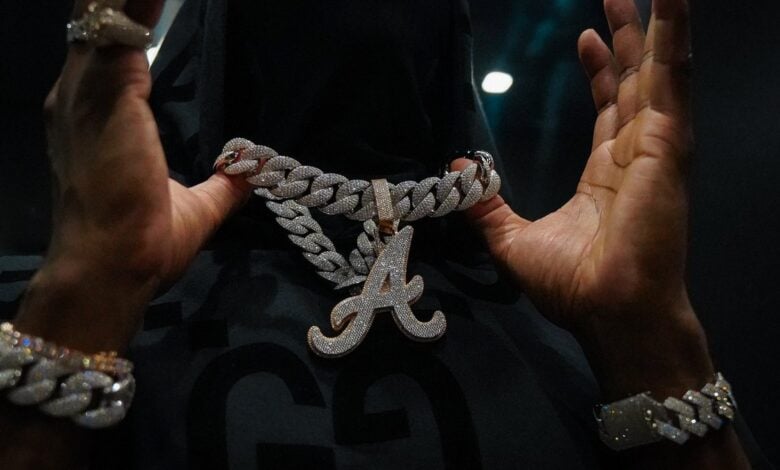
Natural diamond, lab-grown diamond and moissanite can sit side by side in a display case and look alike to a casual eye. They are three different things. A buyer who confuses them can end up with expectations the jewelry was never meant to meet, and a seller who blurs them leaves the customer guessing about what they paid for.
Miami The Jeweler, a downtown Miami shop that sells all three, treats the vocabulary as part of the product. The shop’s rule is short. Specify natural or lab-grown whenever a diamond comes up, and never fold moissanite into either one.
Three definitions worth memorizing
Natural diamond
A natural diamond formed in the Earth. It is crystallized carbon, and it rates 10 on the Mohs hardness scale, the top of that scale. Buyers who choose natural diamond often value its rarity, its history, its material value and the tradition attached to it.
Lab-grown diamond
A lab-grown diamond is diamond made through a controlled process rather than mined. It has the essential chemical composition and crystal structure of diamond. The two common production methods are known in the trade as CVD (chemical vapor deposition) and HPHT (high pressure, high temperature). Gemological laboratories can identify lab-grown diamonds with specialized instruments, which is one reason honest disclosure matters so much at the point of sale.
Moissanite
Moissanite is a separate gemstone composed of silicon carbide. Natural moissanite is extremely rare, so gem-quality moissanite is created in laboratories. That shared lab origin is where much of the confusion starts, and it is also where the comparison ends. Lab-grown diamond is diamond. Moissanite is a different mineral with different properties: a higher refractive index and greater dispersion than diamond, and a hardness of about 9.25 on the Mohs scale.
How professionals tell them apart
The naked eye is a poor judge here. High-quality D-color moissanite that is well cut and precisely set can be extremely difficult for the average person to distinguish from diamond at normal viewing distances. That is a statement about casual viewing, not about the stones being identical.
A knowledgeable jeweler or gemologist can separate them. Moissanite is doubly refractive, so under magnification and at certain angles a trained eye can see doubled facet edges that diamond does not show. Testing equipment helps too. Basic thermal testers can register moissanite much like diamond, because both conduct heat well, but more advanced testers can distinguish the two. Separating natural from lab-grown diamond is a separate task that calls for laboratory-grade equipment.
How Miami The Jeweler pairs each material
The shop’s catalog follows the same clear lines. Its core moissanite collection uses VVS1, D-color moissanite set in 925 sterling silver, with yellow-finish pieces in 18K gold-plated 925 sterling silver. Its diamond jewelry, both natural and lab-grown, is set in solid 10K, 14K or 18K gold depending on the piece and the customer’s request.
Those pairings matter for the buyer’s expectations. A plated silver piece and a solid gold piece need different care, wear differently over time and carry different material value. Sterling silver can tarnish and plating can wear depending on use and exposure, and an honest seller says so up front.
Miami The Jeweler’s position is that customers should choose based on what they value. Some want the prestige and tradition of natural diamond. Some want diamond’s composition at a different price point and choose lab-grown. Some want the brilliance, durability and stone coverage that moissanite allows. A buyer can only make that choice well when every label is accurate.
Questions to ask before you buy
Clear language works best when the buyer asks for it. Before paying for any stone-set piece, ask the seller:
- Is this stone natural diamond, lab-grown diamond or moissanite?
- What are the color and clarity grades, and are they consistent across every stone in the piece?
- Is the metal solid gold, and if so what karat? Or is it plated, and over which base metal?
- How should I care for this metal and finish over time?
- Can I see the piece in person, under good light, before I commit?
A seller who answers those questions plainly is giving you what Miami The Jeweler considers the baseline. If the answers come back vague, the vagueness tells you something about the sale.
Shoppers can compare all three categories at Miami The Jeweler’s showroom, 22 NE First St, Suite 225, in downtown Miami. Product details for each collection are listed at miamithejeweler.com.